
ELSE Project Presentation
Completion requirements
This MOOC is an innovative online training programme developed as part of the European Leadership for Safety Education (ELSE) project, co-funded by the European Union. More information about the project is available on the ELSE Project website and the SENSSEET platform.
The MOOC explores management and leadership for safety in complex and high-risk organisations such as nuclear power plants, chemical industries, or other hazardous socio-technical systems. In such environments, safety traditionally relies on technical barriers, procedures, redundancy, preventive maintenance, and reporting systems — an approach often referred to as regulated safety. While essential, this approach alone is insufficient because it cannot anticipate every uncertainty or unexpected situation.
Research on High Reliability Organisations (HROs) and resilience has shown that excessive reliance on regulated safety may reduce the ability of operators and managers to adapt effectively when situations fall outside predefined scenarios. This highlights the importance of managed safety: the capacity to respond, adapt, and maintain safe performance under uncertainty.
This is precisely what leadership for safety refers to. The ELSE project defines it as “a process of influencing behaviour so that it meets the expectations of safety management.” The MOOC aims to help managers and regulators better understand this process by exploring three interconnected dimensions: safety management, organisational dynamics, and leadership processes. Together, these dimensions form the foundation for effective safety leadership in complex environments.
For further information, please read the General ELSE MOOC introduction.
 ELSE MOOC. General Introduction
The ELSE MOOC "Management and Leadership for Safety" is composed of four units. Units 1 and 2 introduce the key concepts for each theme, while Units 6 and 7 focus on the main safety, organisational and leadership challenges
Unit 1. Safety Management: Key Concepts
- Ensuring Safety: a Historical Approach
- Risks and Safety: a Technical Approach
- Risks and Safety: a Systemic Approach
- Standards
- Managing Safety: an Evolving Problematic
Unit 2. Organisation and Leadership: Key Concepts
- Organisational Structure & Design
- Safety Culture
- Knowledge Management
- Leadership
- Leadership for Safety
Unit 6. Safety Management: Key Challenges
- Understanding Complexity
- Building High Reliability Organisations: from Anticipation to Resilience
- Dealing with Uncertainty Collectively: Collective Cognition
- Dealing with Uncertainty Individually: Cognitive Factors
- Dealing with Uncertainty Individually: Personal Factors
Unit 7. Organization and Leadership: Key Challenges
- Paradox Management
- Uncertainty, Complexity and Organizational Limits - Implications for Safety
- Knowledge and Learning
- Leadership as Process for Safety
- Complexity and Ethical Leadership
To gain a deeper understanding of the direct and indirect implications of behaviours, organisational dynamics, and underlying beliefs and values related to nuclear safety performance, while developing reflexivity and strengthening your capacity to exercise leadership for safety in inherently complex and highly regulated nuclear and radiological environments — both in routine and emergency situations — you are invited to join the ELSE training programme on Leadership for Safety.
For more information, please visit: https://senssett.eu/Authors' presentation
These units were developed by an international team of academics and nuclear industry experts within the framework of the EU-funded ELSE Project (European Leadership for Safety Education). The MOOC offers insights - based on the latest research in social and management science - into the core concepts and major challenges related to managing and leading for safety.
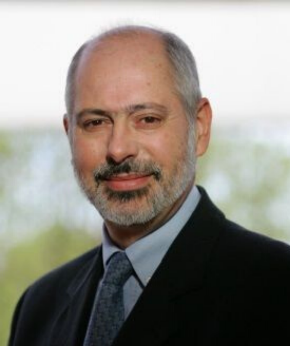
Jacques Repussard. After leading the French Institute for nuclear safety and radiation protection (IRSN) for 13 years as Director General, Jacques Repussard contributes since 2016, as an independent consultant, to several European and international projects, including the European Leadership for Safety Education project (ELSE), providing his managerial expertise in the field of risk prevention and mitigation. In his earlier career, J Repussard was DDG of the French Institute for Environmental and Industrial risks (INERIS) (1997-2003), and before that Secretary General of the European Standards Organisation (CEN) (1997-2003) with headquarters in Brussels (Belgium). He was elected in June 2022 President of the French Institut de Maîtrise des Risques (IMDR).

Catherine Thomas is Professor in Management at the Université Côte d’Azur (France) and a member of the GREDEG (Groupe de Recherche en Droit, Economie et Gestion, UMR 7321, CNRS) research center. Her current research interests include strategic organizing, leadership for safety, organizational attention, organizational learning, and knowledge management. Since 2019, she is the Project Leader of the European Leadership for Safety Education (ELSE) project, funded by the European Union, aiming to develop a new research-based approach for education in the domain of safety leadership. The results of her research are published in leading international journals in the field of innovation management, knowledge management and organization sciences. Examples include British Journal of Management, Journal of Knowledge Management, Management International, Regional Studies, Industrial Marketing Management, and International Journal of Project Management.
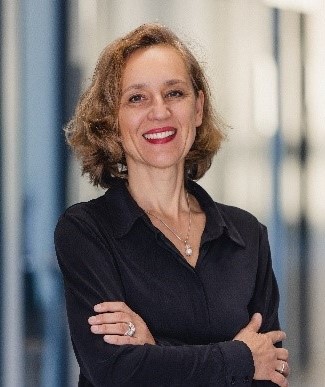
Renata Kaminska is Professor of Strategy and Innovation at SKEMA Business School. She is a member of SKEMA Knowledge Technology and Organization (KTO) and University Côte d’Azur GREDEG (Groupe de Recherche en Droit, Economie et Gestion, UMR 7321, CNRS) research centers. She is Scientific Director of UCA/SKEMA Master 2/MSc Research in Management and Innovation. She is also Key Expert of the European Leadership for Safety Education (ELSE) project, funded by the European Union, aiming to develop an innovative research-based approach to education in the domain of safety leadership. Her current research revolves around innovation, leadership for safety and organizational dynamics. She published in many international journals such as Advances in Strategic Management, Knowledge Management Research and Practice, European Management Journal, Management International, Journal of Business Strategy and Research Policy.
 Natalia Jubault Krasnopevtseva holds a PhD degree in management from the Université Côte d’Azur/ SKEMA Business School (France). Her PhD thesis explores issues of leadership for safety in complex environments, in particular in the context of the nuclear industry. Since 2020, she is Research and Training assistant of the European Leadership for Safety Education (ELSE) project, funded by the European Union, aiming to develop a new research-based approach for education in the domain of safety leadership. Her research interests include leadership, organizing in high-risk environments, resilience, mindfulness, organizational attention, and qualitative methodology.
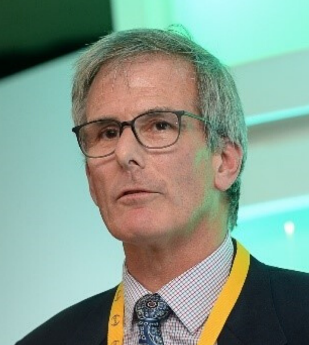 Dr Colin Pilbeam is Professor of Organizational Safety in the Safety and Accident Investigation Centre at Cranfield University, UK. His undergraduate qualification was obtained from Oxford University, and he holds doctorates in both natural and social sciences. His research interests embrace many aspects of organizational safety, including safety leadership, safety culture and safety learning, and deal with practical organizational problems. This work has been funded by Lloyds Register Foundation and Institution of Occupational Safety and Health and by commercial organizations.
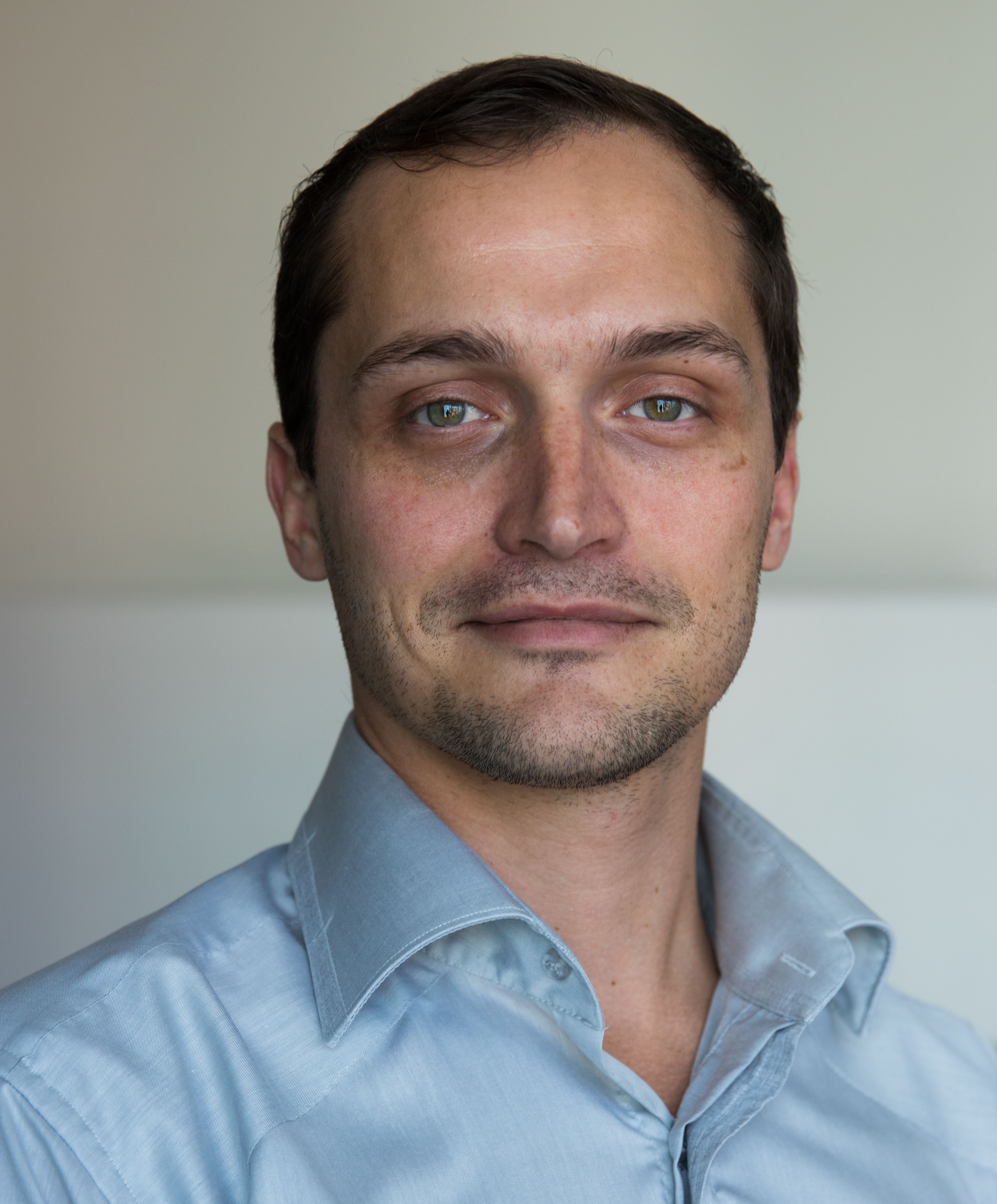
Yoann Guntzburger is Assistant Professor in Science and Technology Studies at SKEMA Business School. He holds a Ph.D. degree in management from HEC Montreal, an M.A.Sc. as well as a bachelor degree in process engineering from Polytechnique Montreal. Yoann is specialized in ethics in operational risk management and organizational crisis management. His current topics of interest focus on leadership for safety, science-policy interfaces related to sustainable development, and AI for ethical decision-making. His recent publications can be found in Science and Engineering Ethics, Safety Science and Food Control. He teaches at SKEMA introductory and advanced courses in digital transformation and sustainability, ethics in digital business and life cycle management. Yoann is also the director of SKEMA Transitions, the institutional global platform for sustainability and responsible management.
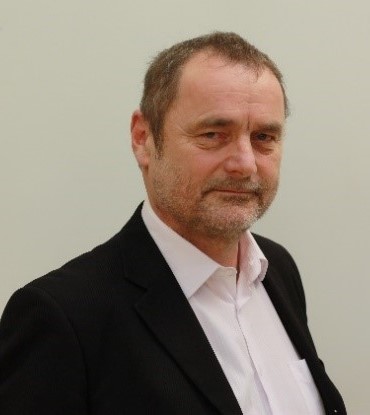
Jean-Louis Ermine began his career as a teacher-researcher at the Universities of Algiers and Bordeaux. He has worked at the French Atomic Energy Commission (CEA) as a Knowledge Manager for more than 10 years. From 2003 to 2015, he was a professor at Institut Mines-Telecom. He is currently Professor Emeritus at Institut Mines-Telecom and international expert consultant in Business Knowledge Management. He has written 9 books and more than 100 articles in peer-reviewed journals and conferences. He is creator of the French Knowledge Management Club and the French Academic Association for Knowledge Management. He has been a project manager or advisor in numerous research or industrial Knowledge Management projects in public or private companies and international organizations. He was French delegate for ISO International Standards Commission on Knowledge Management. He is the creator of the MASK Knowledge Management method, which is now widely used in various companies and organizations around the world.
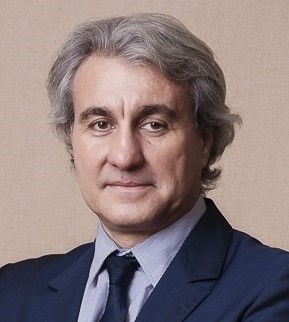
Didier Louvat, from 2011 to 2021, was the Managing Director of the European Nuclear Safety Training and Tutoring Institute, ENSTTI, an educational initiative supported by the European Technical Safety Organizations. From 2003 to 2010, He led the IAEA Programme on Radioactive Waste Management as Head of the Waste and Environmental Safety Section in the IAEA Department of Nuclear Safety and Security. Previous to that he headed the radioecological studies laboratory of the French Institute for Radiation Protection and Nuclear Safety, IRSN. Before he holds several positions at the Department of Nuclear Fuel Cycle of the French Atomic Energy Commission, CEA, where he developed programmes related to disposal of radioactive waste and environmental impact assessment. Didier LOUVAT graduated in Geology at Paris University and completed his PhD in Isotope Geochemistry at the same University in 1987.

Evelyne Rouby is Associate Professor in Management at the University Côte d’Azur (UCA) and a member of the GREDEG (Groupe de Recherche en Droit, Economie et Gestion, UMR 7321, CNRS) research center. She is Director of the Master in Organizational Audit at the Economics and Management Graduate School and Research of UCA. Her current research revolves around organizational dynamics in complex and risky environments and investigates topics such as organizational attention, mindfulness, resilience, and routine dynamics. The results of her research are published in ranked journals in the fields of Organization Sciences and Human Resources Management such as M@n@gement, Management International, Système d’Information et Management, and @GRH.
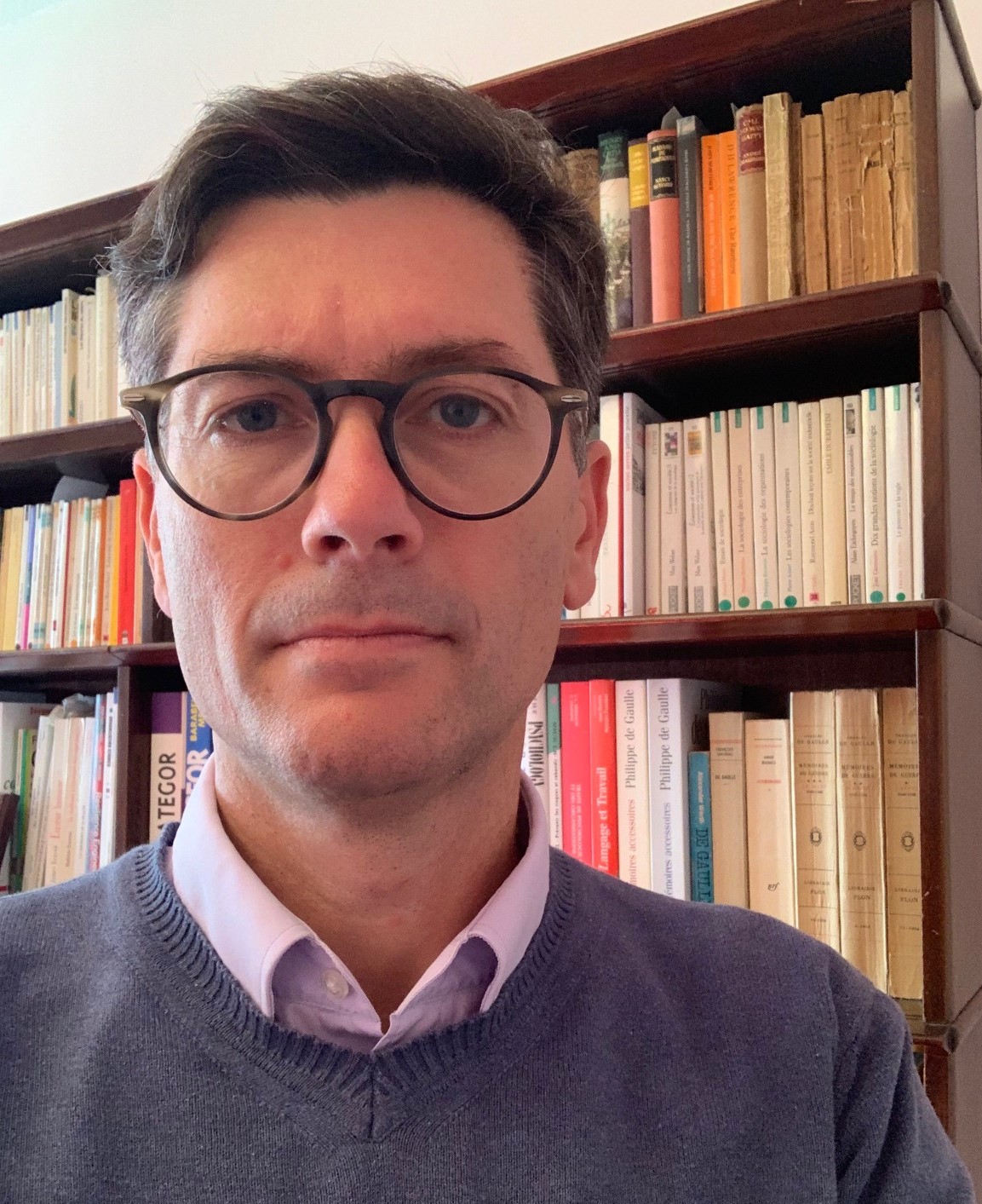 Benoît Journé is Professor of Management and Organization Studies at
Nantes University, IAE, France. He is also associate professor at
IMT-Atlantique (Nantes, France). He is currently
a member of LEMNA research lab. He is head of Chaire RESOH (2012-2022) and was
scientific co-director of AGORAS research project (2014-2020).
Benoît Journé is Professor of Management and Organization Studies at
Nantes University, IAE, France. He is also associate professor at
IMT-Atlantique (Nantes, France). He is currently
a member of LEMNA research lab. He is head of Chaire RESOH (2012-2022) and was
scientific co-director of AGORAS research project (2014-2020).
He is specialized in the management of Human and Organizational Factors of nuclear safety, with a focus on organizational reliability and resilience. He carried out multiple research projects with the French regulator (ASN), with its Technical Support Organization (IRSN) and with some leading nuclear operators (EDF, Orano, Andra, Naval Group).
 Ravi S. Kudesia is an
assistant professor of management at the Fox School of Business at Temple
University. He received his PhD from the Olin Business School at Washington
University in St. Louis. He researches how people can organize with mindfulness—focusing
on cognitive processes in collectives that must solve problems and make sense
of complex environments. His research often concerns safety and reliability in
high-risk contexts such as protest crowds, medical and military teams, and
explosive-demolitions companies. Taking a multimethod and interdisciplinary
approach, Ravi has conducted research using experiments, qualitative methods,
and computer simulations. His research has won several awards through the
Academy of Management and Strategic Management Society and has appeared in leading
journals including Academy of Management Review, IEEE Transactions on
Computational Social Systems, Journal of Management, Organization Science,
Organizational Behavior and Human Decision Processes, and Safety Science. Ravi
holds editorial positions in journals like Academy of Management Review and
Mindfulness and regularly teaches executives about how to enhance collective
cognitive processes in organizations.
Ravi S. Kudesia is an
assistant professor of management at the Fox School of Business at Temple
University. He received his PhD from the Olin Business School at Washington
University in St. Louis. He researches how people can organize with mindfulness—focusing
on cognitive processes in collectives that must solve problems and make sense
of complex environments. His research often concerns safety and reliability in
high-risk contexts such as protest crowds, medical and military teams, and
explosive-demolitions companies. Taking a multimethod and interdisciplinary
approach, Ravi has conducted research using experiments, qualitative methods,
and computer simulations. His research has won several awards through the
Academy of Management and Strategic Management Society and has appeared in leading
journals including Academy of Management Review, IEEE Transactions on
Computational Social Systems, Journal of Management, Organization Science,
Organizational Behavior and Human Decision Processes, and Safety Science. Ravi
holds editorial positions in journals like Academy of Management Review and
Mindfulness and regularly teaches executives about how to enhance collective
cognitive processes in organizations.
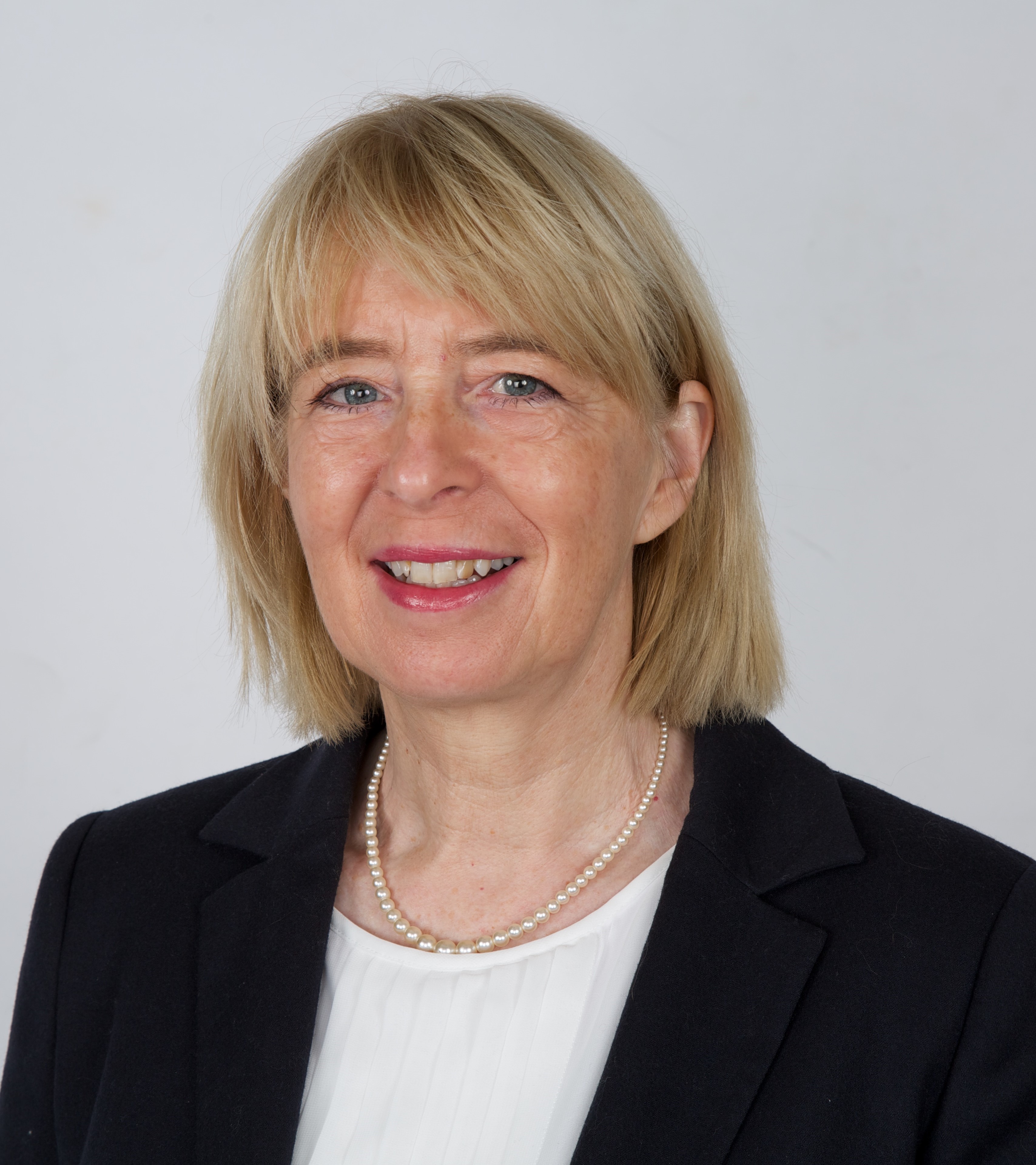
Dr Rhona Flin is Professor of Industrial Psychology, Aberdeen Business School, Robert Gordon University and Emeritus Professor of Applied Psychology, University of Aberdeen. She is an elected Fellow of the British Psychological Society and the Royal Society of Edinburgh and has been awarded Fellowships by the Royal College of Surgeons of Edinburgh and the Royal Aeronautical Society. Her research examines human performance in high risk work settings (e.g. healthcare; energy sector) focusing on leadership, safety culture, team skills and cognitive skills. Current projects include psychological factors in the introduction of new technology, mindfulness training for safety, and non-technical skills in safety-critical tasks.
 Dr Kristina Potočnik is a Senior Lecturer in Human Resource Management, and Head of Organisation Studies Group at the University of Edinburgh Business School. She is a Chartered Psychologist and an academic member of Chartered Institute of Personnel and Development. She earned her MA degree in Psychology from the University of Ljubljana and a PhD in Work and Organizational Psychology from the University of Valencia. Kristina’s research is concerned with understanding how teams operate under uncertain, stressful, and time-pressured conditions, and the paradoxical effects that operating under such conditions might have on teams and individuals who work in them. She has published on this and other topics in different journals, including Organization Science, Journal of Management, and British Journal of Management.
Last modified: Thursday, 28 May 2026, 10:25 AM